

The Science of Corneal Refractive Therapy: How Overnight Shaping Lenses Slow Down Pediatric Nearsightedness

The Science of Corneal Refractive Therapy: How Overnight Shaping Lenses Slow Down Pediatric Nearsightedness

The Science of Corneal Refractive Therapy: How Overnight Shaping Lenses Slow Down Pediatric Nearsightedness

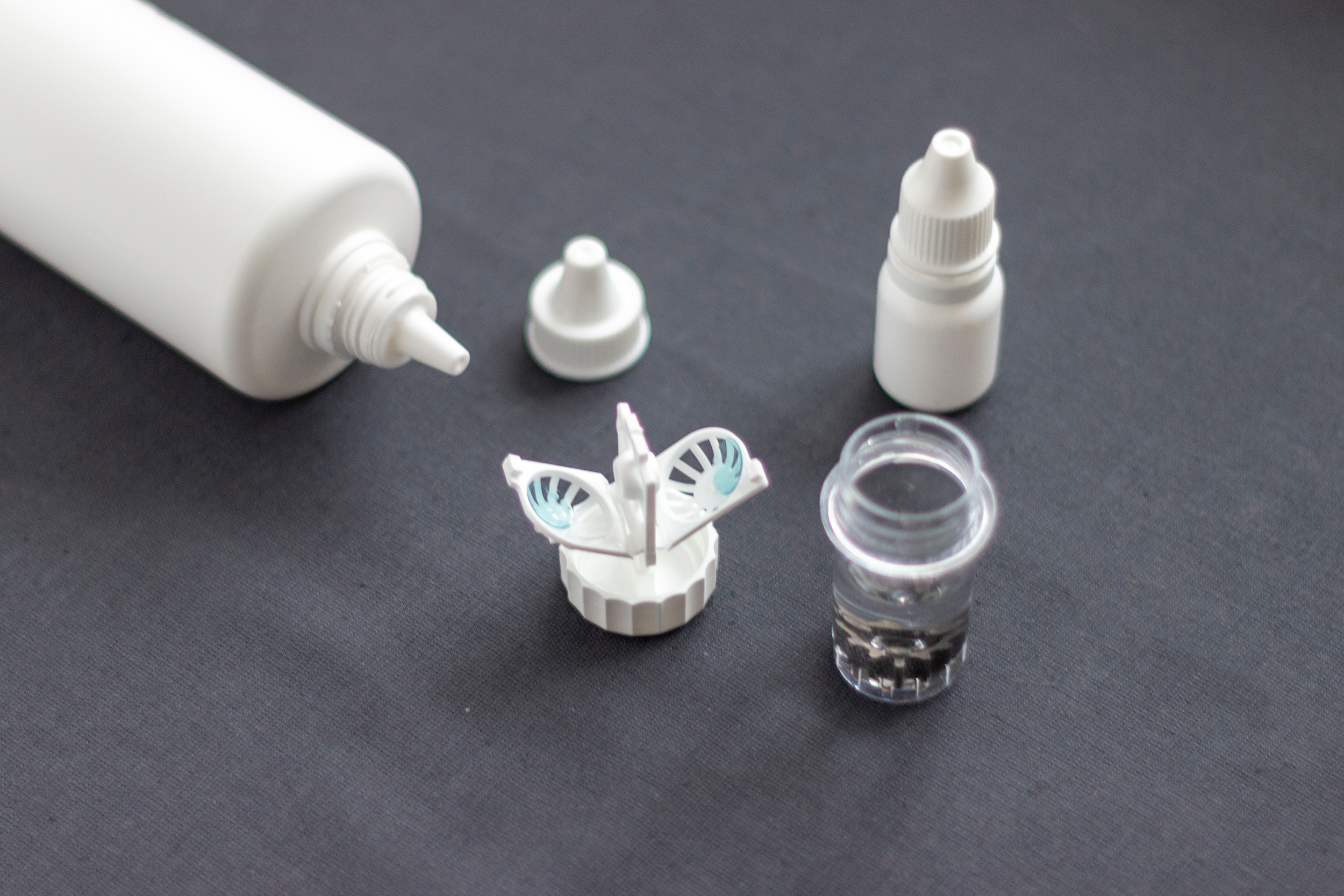
When a child’s nearsightedness keeps getting worse, stronger glasses are not the only option to consider. Corneal Refractive Therapy, often called CRT or Ortho-K, is a non-surgical treatment that uses specially designed contact lenses worn overnight to gently reshape the cornea while a child sleeps. In the morning, the lenses are removed, allowing many children to see clearly during the day without glasses or daytime contacts.
At Clarke EyeCare Center in Wichita Falls, families can ask about Corneal Refractive Therapy as part of a personalized approach to pediatric nearsightedness and myopia management.
What Is Pediatric Nearsightedness?
Nearsightedness, or myopia, causes distant objects to look blurry while close-up vision remains clearer. Children with myopia may squint to see the board at school, sit closer to the TV, struggle during sports, or need frequent prescription updates.
During childhood, the eyes naturally grow. In children with progressive myopia, the eye can grow longer than it should. This extra growth changes how light focuses inside the eye and can lead to stronger prescriptions over time.
How Corneal Refractive Therapy Works
CRT lenses are custom-designed based on detailed measurements of the eye’s front surface, called the cornea. The lenses are worn while sleeping and apply gentle, controlled pressure to temporarily reshape the cornea.
This reshaping changes how light focuses on the retina, which is the light-sensitive tissue at the back of the eye. When the lenses are removed in the morning, the child may have clearer daytime vision without regular glasses or soft contact lenses.
Because the effect is temporary, the lenses must be worn consistently as directed to maintain clear vision.
How CRT May Help Slow Myopia Progression
CRT is not only about daytime freedom from glasses. For some children, overnight shaping lenses may also help slow the progression of myopia. By changing how light focuses across the retina, CRT may reduce certain visual signals that encourage the eye to keep growing longer.
Slowing myopia progression matters because higher levels of myopia can increase the risk of certain eye health problems later in life. Early monitoring and treatment planning help parents take a more proactive approach.
Why Timing Matters Before School Starts
Summer is a practical time for Wichita Falls families to explore CRT. The fitting process involves an exam, corneal measurements, custom lens design, training, and follow-up visits. Starting before the school year gives children time to adjust to the routine and helps the doctor monitor comfort, fit, and vision.
If your child has been struggling with glasses during sports, outdoor activities, or classroom learning, a CRT evaluation can help determine whether overnight lenses are a good fit.
Signs Your Child May Be A Candidate
CRT is not right for every child, but it may be worth discussing if your child:
- Has worsening nearsightedness
- Wants daytime freedom from glasses
- Plays sports or has an active lifestyle
- Struggles with daytime contact lenses
- Has healthy eyes and an appropriate prescription
- Can follow hygiene instructions with parent support
- Needs clearer distance vision at school
- Has parents concerned about myopia progression
A comprehensive evaluation is needed to confirm whether CRT is safe and appropriate.
What Parents Should Expect
CRT requires commitment. Children and parents must follow lens handling, cleaning, and wearing instructions carefully. Because the lenses are worn overnight, good hygiene is essential to reduce the risk of irritation or infection.
Follow-up visits are also important. Your optometrist will check the fit of the lenses, monitor the cornea, evaluate vision, and make adjustments if needed. If your child has redness, pain, light sensitivity, discharge, or sudden vision changes, the lenses should be removed and the eye doctor should be contacted promptly.
Is CRT The Right Myopia Option?
Corneal Refractive Therapy can be a strong option for children who want clear daytime vision and parents who are concerned about progressive nearsightedness. It may be especially appealing for kids involved in sports, outdoor activities, or school routines where glasses can feel limiting.
The best way to know whether CRT is right for your child is to schedule a personalized evaluation. Your eye doctor can compare CRT with other myopia management options and recommend a plan based on your child’s eyes, lifestyle, and long-term needs.
To schedule a Corneal Refractive Therapy consultation for pediatric nearsightedness, contact Clarke EyeCare Center in Wichita Falls, TX at 4314 Kemp Blvd, Wichita Falls, TX 76308, or call (940) 691-5645.


(940) 691-5653
- Monday9:00 AM - 5:30 PM
- Tuesday8:00 AM - 5:30 PM
- Wednesday8:00 AM - 5:30 PM
- Thursday8:00 AM - 5:30 PM
- Friday8:00 AM - 4:00 PM
- SaturdayClosed
- SundayClosed
Powered by: 